Hiking on La Palma: How to Explore the “Isla Bonita” on Foot
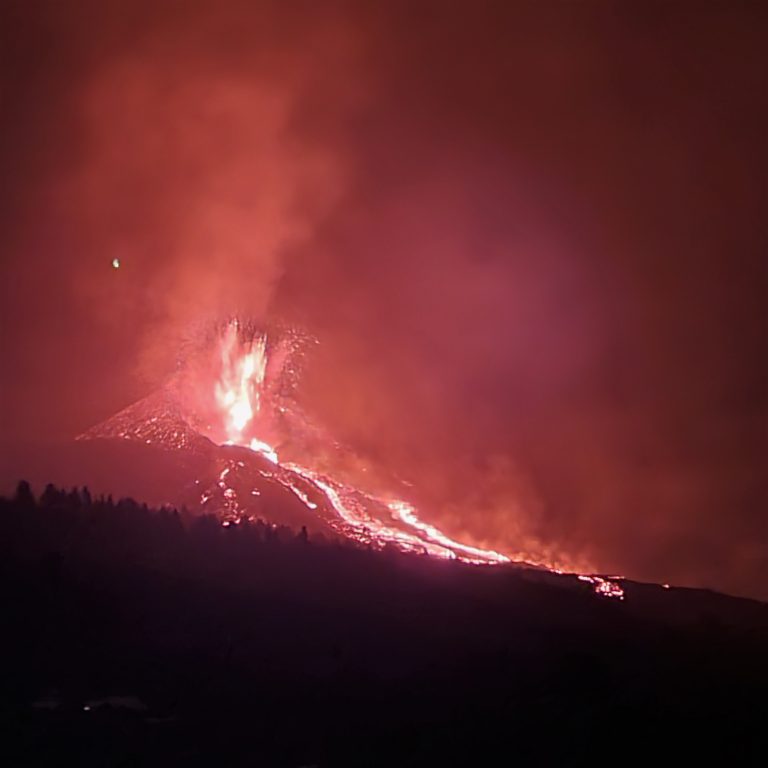
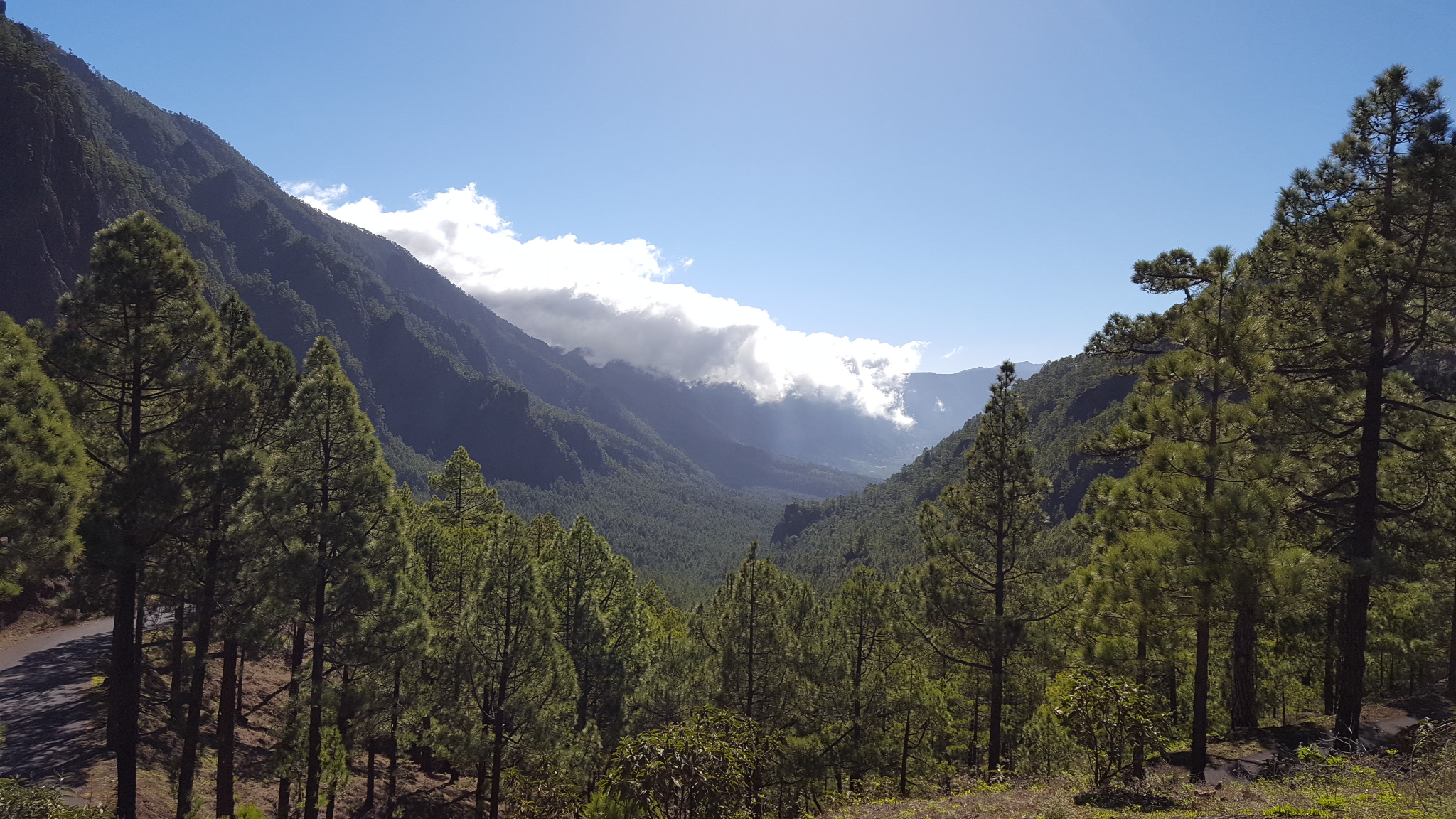
La Palma is a prime destination for nature lovers and outdoor hikers. The island offers a mosaic of landscapes that change dramatically over just a few kilometers: from lush prehistoric laurel forests to lunar landscapes shaped by recent volcanic eruptions, including peaks that rise over 2,400 meters in elevation.
If you love hiking and are planning a getaway, La Palma is the place for you. Here’s what you need to know to plan your hikes and what options are available just a short walk from our accommodations.
Over 1,000 kilometers of certified trails
One of the greatest advantages of hiking in La Palma is the extent and excellent condition of its trail network. The island boasts more than 1,000 kilometers of certified and perfectly marked trails, allowing you to cross it from north to south or east to west without getting lost.
This network revives ancient royal roads that residents historically used to travel between villages and transport goods. Today, these trails have been adapted for all types of visitors, ensuring a safe experience for both beginners seeking leisurely walks and experienced hikers looking to tackle steep ascents.
Clear Signage by Difficulty Level
To help hikers plan each day’s hike according to their fitness level and experience, the trail network follows the European color-coded classification system:
- Long-Distance Trails (GR—White and Red): Long cross-country routes that traverse the island in stages, such as the famous GR 130 (Camino Real de la Costa y Medianías), which circles the perimeter of La Palma, or the GR 131 (known as “El Bastón” because of its shape), which winds through the main volcanoes and peaks.
- Short-Distance Trails (PR – White and Yellow): Routes ranging from 10 to 50 kilometers, designed to be completed in a single day.
- Local Trails (SL – White and Green): Short trails, less than 10 kilometers long and of low difficulty, ideal for family outings or half-day hikes.
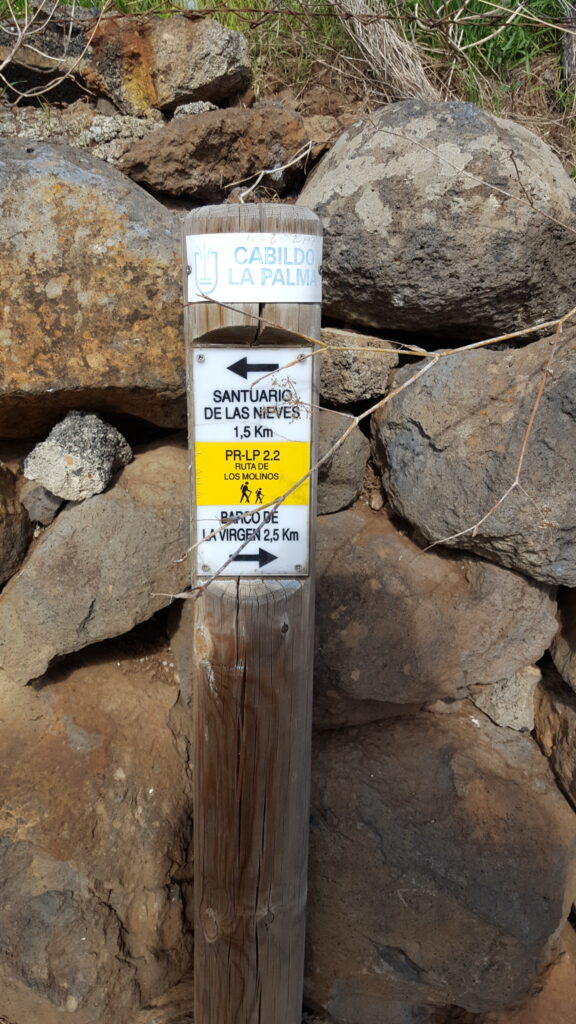
At the start of each route and at major intersections, you’ll find information panels and wooden markers indicating the exact distances in kilometers, the estimated walking time, and the total elevation gain.
Iconic Trails on La Palma You Can’t Miss
Although every corner of the island has its own charm, there are some very popular routes that showcase La Palma’s geological and botanical diversity. Here are a few of them:
- The Volcano Trail (Part of GR 131): Possibly the island’s most famous hike. It connects the El Pilar Mountain Hut with the Fuencaliente Lighthouse across the Cumbre Vieja ridge. You’ll hike among craters, lava flows, and Canarian pine forests, with simultaneous views of both sides of the island and the Atlantic Ocean.
- The Los Tilos Forest and Marcos y Cordero (PR LP 06): Located in the northeast, in the municipality of San Andrés y Sauces, this route immerses you in the heart of the laurel forest. The entire route includes a walk through 13 tunnels carved into the rock through which water flows, ending at the spectacular Los Tilos waterfall.
- The Taburiente Caldera (PR LP 13): The heart of the National Park. Descending from Los Brecitos to the Barranco de las Angustias allows you to admire vertical cliffs over a thousand meters high, crystal-clear streams, and the famous Cascada de Colores waterfall.
- El Roque de los Muchachos (Part of GR 131): At the island’s highest point (2,426 m), you can hike along the northern edge of the Caldera de Taburiente above the sea of clouds, surrounded by some of the world’s most important astrophysical telescopes.
Trails near the El Pósito and Felipe Lugo Country Houses
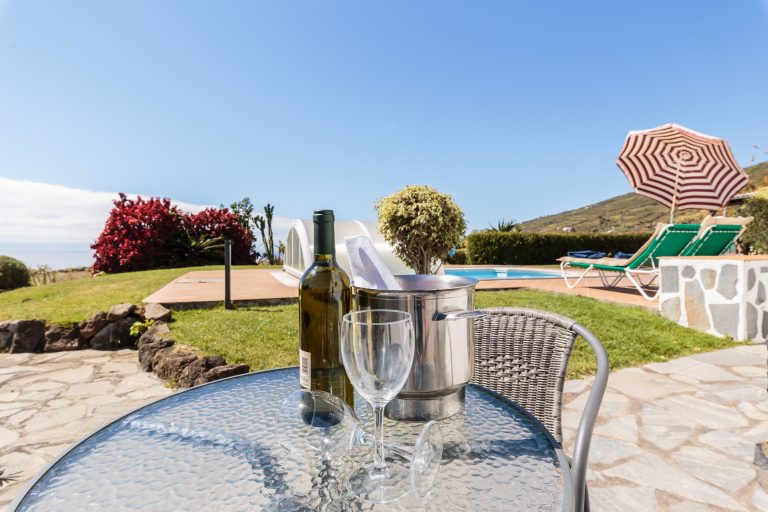
Choosing a good starting point saves travel time and allows you to begin your hike almost right from the doorstep of your lodging. The rural guesthouses Felipe Lugo, in La Rosa, next to the Montaña de La Breña, and El Pósito, in the Los Callejones neighborhood, are located in the mid-altitude region of Villa de Mazo, in the southeastern part of the island.
This prime location connects directly to a network of local and short-distance trails that link up with the major trails and connect the coast, the fayal-brezal forests, and the central peaks:
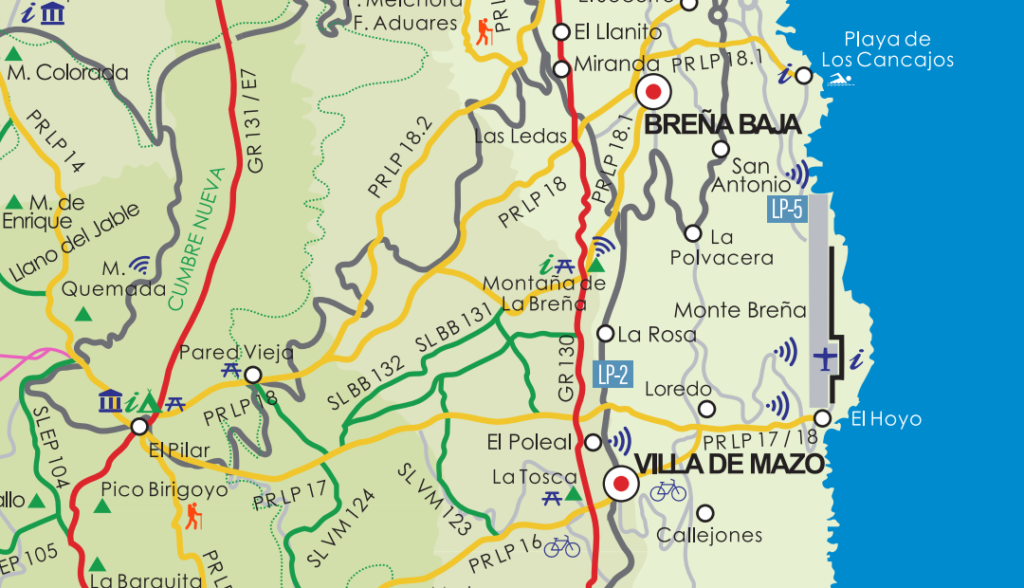
- Eastern Section of the Camino Real de la Costa (GR 130 between Breña Baja and Villa de Mazo): Without having to tackle long stages, you can join this historic route from the vicinity of both lodgings; it winds at mid-elevation among terraced fields, traditional Palmeran architecture, and unobstructed views of the Atlantic Ocean and the island of Tenerife on clear days.
- PR LP 16 (El Pilar Shelter – La Bajita Beach): One of the major vertical routes on the eastern slope passes right by the El Pósito Country House. This trail descends from the summit to the coast through Villa de Mazo, allowing you to hike uphill into the Canary Island pine and fayas forests, or descend toward the coastline at La Bajita and El Pocito.
- PR LP 18 (El Pilar Shelter – Las Ledas): Another similar trail runs alongside the Felipe Lugo Rural House, ideal for setting out directly from the lodging on an ascent toward the peaks of the El Pilar Shelter—where it connects with the Volcanoes Route (GR 131)—or for descending to the beaches of Los Cancajos or Los Guinchos.
- Local trails in Villa de Mazo and the surrounding La Breña mountain area (such as SL VM 123 or SL BB132) also run alongside the Felipe Lugo Rural House and are ideal for short morning or afternoon hikes without having to take the car.
Practical Tips Before Setting Out on a Hike
- Check trail conditions: Due to maintenance work or weather conditions (heavy rain, wind warnings, haze, or fire danger), some sections may be temporarily closed. Always check the official Senderos de La Palma website before setting out.
- Dress in layers: On La Palma, you might start a hike in the sunshine along the coast and end up facing a cool breeze at the summit. Always wear hiking boots with good traction, sunscreen, enough water, and a windbreaker.
- Respect the environment: Always stay on the marked trails to prevent erosion of the volcanic soil and protect the endemic flora.
Ready to lace up your boots and explore the Isla Bonita?
At our rural guesthouses, El Pósito and Felipe Lugo, you’ll find the perfect place to unwind after a day in the mountains, with the tranquility of La Palma’s rural surroundings and the convenience of having the best trails right at your doorstep.
Blog
Keep reading